Beef tallow is a rendered form of beef fat that is solid at room temperature. Rendering is the process of melting and purifying animal fat to separate the solids from the liquid components. Tallow has been used for various purposes throughout history, including as a cooking fat, in candle making, and, more recently, in soap and skincare products.
Here are some key characteristics and uses of beef tallow:
Composition:
Beef tallow primarily consists of saturated fats, with a high proportion of stearic acid and oleic acid. These fats give tallow its solid consistency at room temperature.
Culinary Uses:
Historically, beef tallow was a common cooking fat. It has a high smoke point, making it suitable for frying and deep-frying. While its culinary use has diminished with the popularity of vegetable oils, some chefs and home cooks still appreciate tallow for its unique flavor and performance in certain cooking applications.
Soap and Skincare:
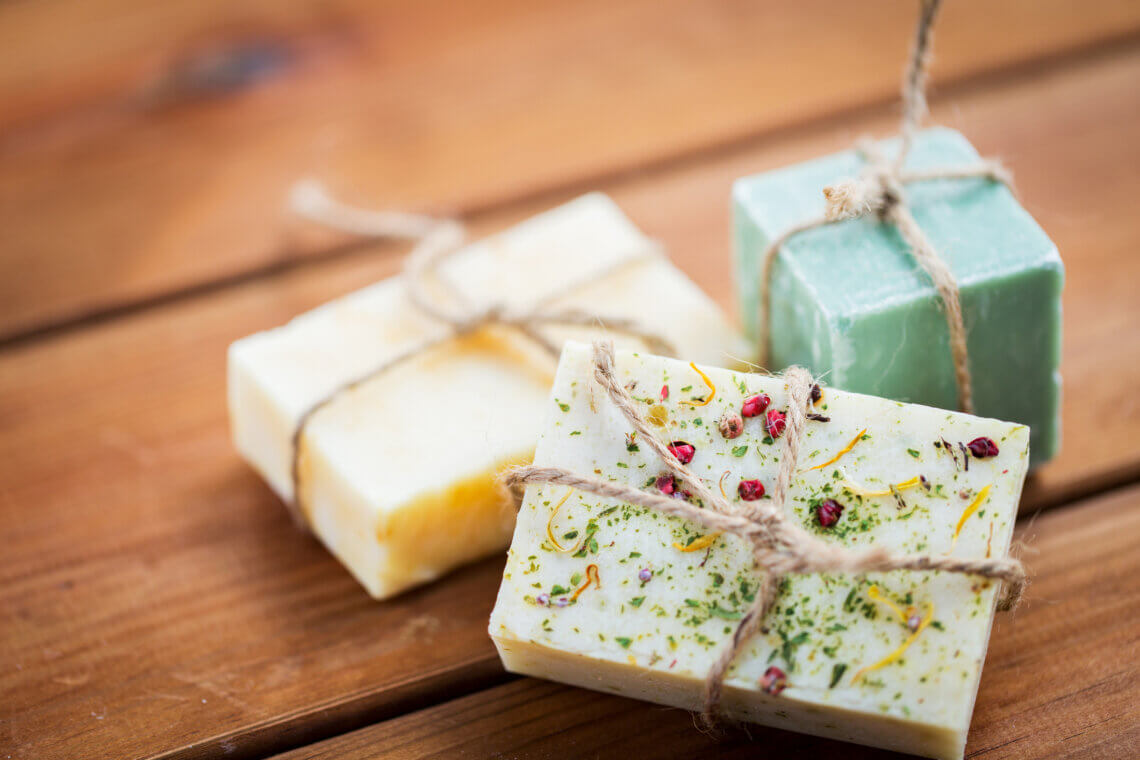
In recent years, beef tallow has experienced a resurgence in popularity in the soapmaking and skincare communities. Its fatty acid composition makes it a suitable ingredient for creating a stable and moisturizing lather in soaps. Additionally, tallow is valued in skincare products for its emollient properties, helping to hydrate and nourish the skin.
Candle Making:
Tallow has a long history of use in candle making. It was a common ingredient in candles before the widespread availability of alternatives like paraffin wax and vegetable-based waxes. Tallow candles were known for their bright and steady flame.
Rendering Process:
The process of making beef tallow involves melting and clarifying the fat, separating impurities and solids from the liquid fat. This can be done through simmering or boiling the fat and then allowing it to cool and solidify.
Sourcing and Sustainability:
It’s important to note that the quality of beef tallow can be influenced by the sourcing of the beef. Tallow from grass-fed or pasture-raised animals is often preferred for its potential nutritional benefits and environmental sustainability.
While beef tallow has a rich history and diverse applications, it’s essential to consider personal preferences, dietary choices, and ethical considerations when using or choosing products containing beef tallow.
Exploring the Art of Soapmaking: Harnessing the Benefits of Tallow in Cold Process Soap
Introduction:
Soapmaking is an ancient craft that has evolved over centuries, with artisans continually exploring new ingredients to enhance their creations. One such ingredient that has gained popularity in recent years is tallow. Tallow, derived from animal fat, brings unique qualities to soap, making it a fascinating and beneficial addition to cold process soapmaking. In this blog post, we’ll delve into the world of tallow soap and provide you with a simple yet effective cold process soap recipe to try at home.
Benefits of Tallow in Soapmaking:
Rich in Fatty Acids:
Tallow is prized for its high content of saturated and unsaturated fatty acids, which contribute to the soap’s moisturizing properties. These fatty acids create a luxurious lather and help hydrate the skin, leaving it feeling soft and nourished.
Stable Lather:
Tallow contributes to a stable and creamy lather in soap. This makes it an excellent choice for those who enjoy a rich, long-lasting foam during their bathing routine.
Hardness and Longevity:
Tallow adds hardness to the soap bar, making it long-lasting and resistant to quick wear. This results in a more economical and durable product for both the SoapMaker and the end user.
Economic and Sustainable:
Utilizing tallow in soapmaking can be a sustainable choice, especially if sourced from local, ethically raised animals. This can be an environmentally conscious option compared to some vegetable oils that may have a higher carbon footprint.
Cold Process Tallow Soap Recipe:
Ingredients:
– 300g Tallow
– 200g Coconut Oil
– 200g Olive Oil
– 100g Castor Oil
– 130g Sodium Hydroxide (Lye)
– 300ml Water
– Optional: Essential oils for fragrance (e.g., lavender, tea tree, or peppermint)
Instructions:
Safety First:
Ensure you are wearing appropriate safety gear, including gloves and goggles, when working with lye. Work in a well-ventilated area.
Prepare Ingredients:
Measure out all your ingredients accurately. Keep the tallow in a heat-resistant container.
Combine Oils:
In a large stainless steel or heat-resistant plastic bowl, combine tallow, coconut oil, olive oil, and castor oil. Mix well.
Prepare Lye Solution:
In a separate container, carefully add lye to water, stirring until dissolved. Allow the lye solution to cool to around 100°F (38°C).
Combine Lye Solution and Oils:
Slowly pour the lye solution into the oils, stirring continuously. Use a stick blender to blend the mixture until it reaches trace (when the soap batter thickens to a pudding-like consistency).
Add Fragrance (Optional):
If desired, add a few drops of essential oil for fragrance. Stir well to evenly distribute the scent.
Mold the Soap:
Pour the soap batter into molds of your choice. Smooth the top with a spatula.
Cure the Soap:
Allow the soap to cure in the molds for 24-48 hours. Afterward, unmold and cut into bars. Cure the bars for an additional 4-6 weeks in a cool, dry place.
Conclusion:
Tallow in cold process soapmaking offers a unique blend of qualities that can enhance the overall soap experience. Experiment with different ratios of oils and fats to find the perfect combination for your preferences. With the provided recipe as a starting point, embrace the art of soapmaking and discover the wonders of tallow in crafting your own luxurious, skin-loving bars. Happy soap